
Key takeaway: Effective short-form video starts with one audience, one useful message, and one next step. Caribbean brands can use live footage and motion graphics together to explain their services clearly without turning every post into a complicated production.
A short video can show a product in use, answer a common question, or make an unfamiliar service easier to understand. It can also consume time and budget without helping a customer make a decision.
The difference often begins before filming. A clear brief gives the team a reason for each shot, line of copy, and animated element. It also makes it easier to judge whether the finished content did its job.
Choose the Business Purpose First
Start by deciding what the viewer should understand or do. A restaurant might show how to place a lunch order. A professional services firm might explain what to bring to a consultation. A manufacturer might demonstrate how a product is assembled or maintained.
These are hypothetical examples, but the planning principle applies across industries: choose a customer question that your business can answer well. Avoid trying to introduce the company, explain every service, announce a promotion, and collect leads in the same short video.
Write a one-sentence brief: “After watching, this audience should understand this point and take this next step.” If that sentence is difficult to complete, the idea needs more focus.
Build a Simple Story
Our recommended starting structure is a customer problem, a useful explanation or demonstration, and a clear action. Open with the question or outcome that makes the content relevant. Show evidence in the middle rather than relying only on a claim. Finish with a next step that matches the viewer’s level of interest.
A hypothetical boutique accommodation provider could begin with “What should you check before booking a family stay?”, show room layouts and practical amenities, and direct viewers to an accurate information page. That is more useful than a montage with no explanation of who the property suits.
Keep the script conversational and read it aloud. Remove words that do not help the viewer understand the point.
Use Motion Graphics to Clarify
Animation works well when a process, comparison, or invisible service is hard to film. A short sequence can show the stages of a website project, identify product features, or explain how an enquiry moves through a business.
Use brand colours, typography, and transitions consistently. Let movement direct attention to the important information. Too many animated elements compete with the message and make a small screen harder to follow.
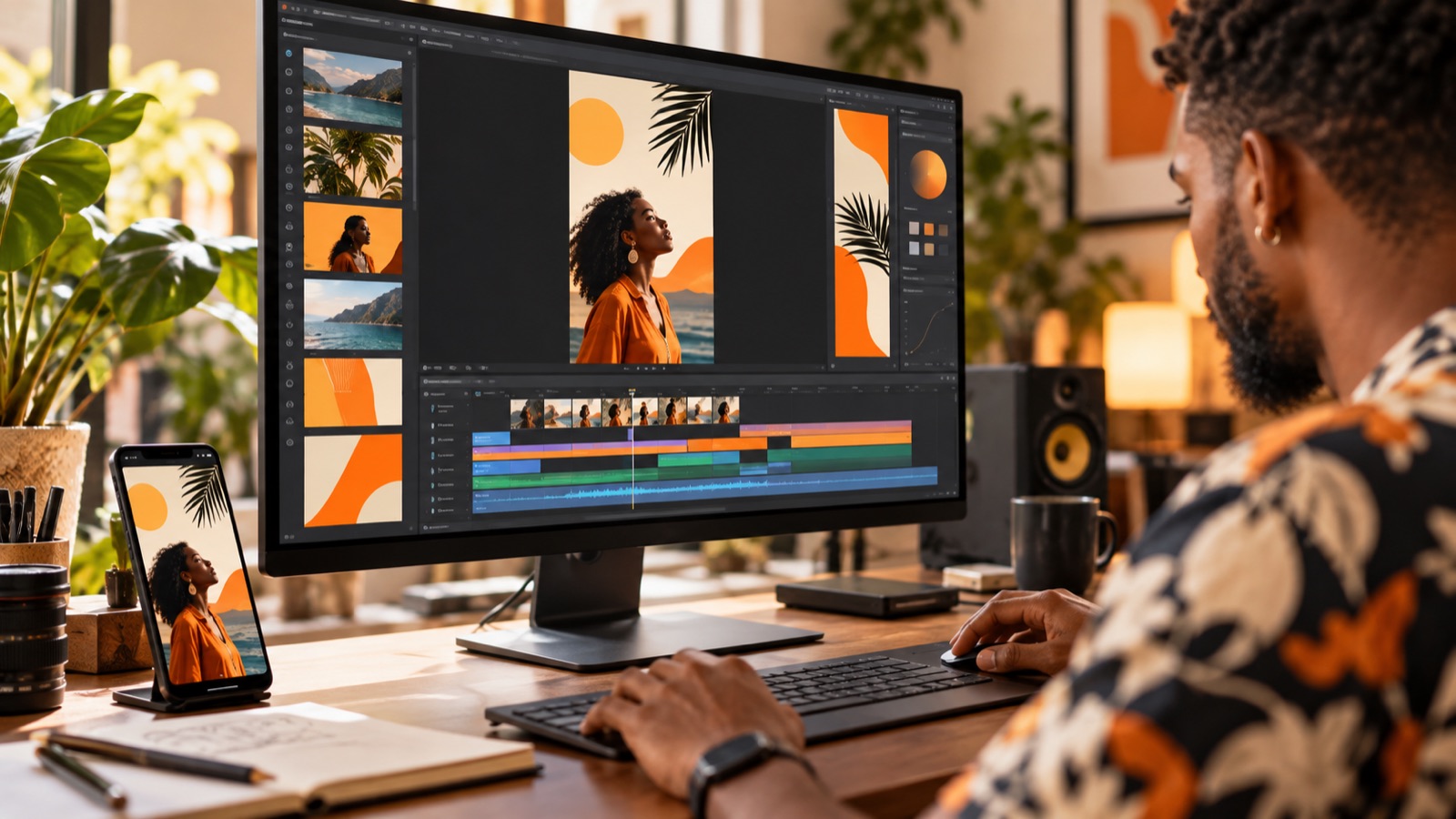
Live footage and motion graphics serve different purposes. A real person or product can establish context; a clean overlay can label the detail the viewer needs to notice. Choose the combination that explains the subject most clearly.
Design for the Platform and the Phone
Prepare the composition for its destination instead of cropping a wide video at the end. Keep essential subjects and text clear of interface overlays, and check readability on an actual phone.
YouTube currently accepts square or vertical videos up to three minutes as Shorts under its published eligibility rules. That limit is a format constraint, not a recommendation to use all the available time. YouTube’s Shorts guidance explains eligibility, while its upload tips encourage a posting schedule you can maintain.
Add accurate captions and make important visual information understandable without relying entirely on audio. Review names, local expressions, and technical terms manually. Use music, footage, and other materials you own or have permission to use.
Create a Repeatable Content System
Instead of starting from zero every week, group related customer questions into a small series. One recording session can capture a demonstration, a short explanation, and supporting footage for later edits.
- Explain: Answer one question that customers ask before buying.
- Demonstrate: Show a product, service step, or practical outcome.
- Build confidence: Introduce the people or process behind the work.
- Guide action: Explain how to enquire, prepare, book, or order.
Choose a pace your team can sustain. A modest series of useful, consistent videos is a better starting point than a large production plan with no resources to maintain it.
Measure More Than Views
Match the measure to the purpose. For an explanation video, consider whether viewers stay long enough to reach the useful information. For a campaign, track visits to the relevant page and qualified enquiries. Ask the sales team whether prospects arrive better informed.
Compare alternative openings or edits while keeping the core offer consistent. Treat the result as evidence for your own audience, not proof that one format works for every Caribbean market.
Your First Production Brief
- Name the audience and the question they need answered.
- Write one message and one next step.
- Choose what to film and what animation should explain.
- Prepare platform-specific layouts and accurate captions.
- Agree how the result will be measured before publishing.
Contact Efoundry Digital to discuss motion graphics, animation, and campaign creative built around a clear business message.
Sources and Further Reading
Prepared in October 2026. The creative framework is Efoundry’s editorial recommendation; platform formats and publishing rules can change.